Influencer Ari Kytsya’s University Lecture Sparks Fierce Backlash and Campus Curiosity

Social media influencer Ari Kytsya ignited a nationwide debate this week after delivering a guest lecture on human sexuality to roughly 1,200 students at the University of Washington. The 24-year-old creator, known for her combined 7.6 million followers across TikTok and Instagram, was invited by psychology professor Dr. Nicole to speak during Psych 201, a course centered on sex and culture.
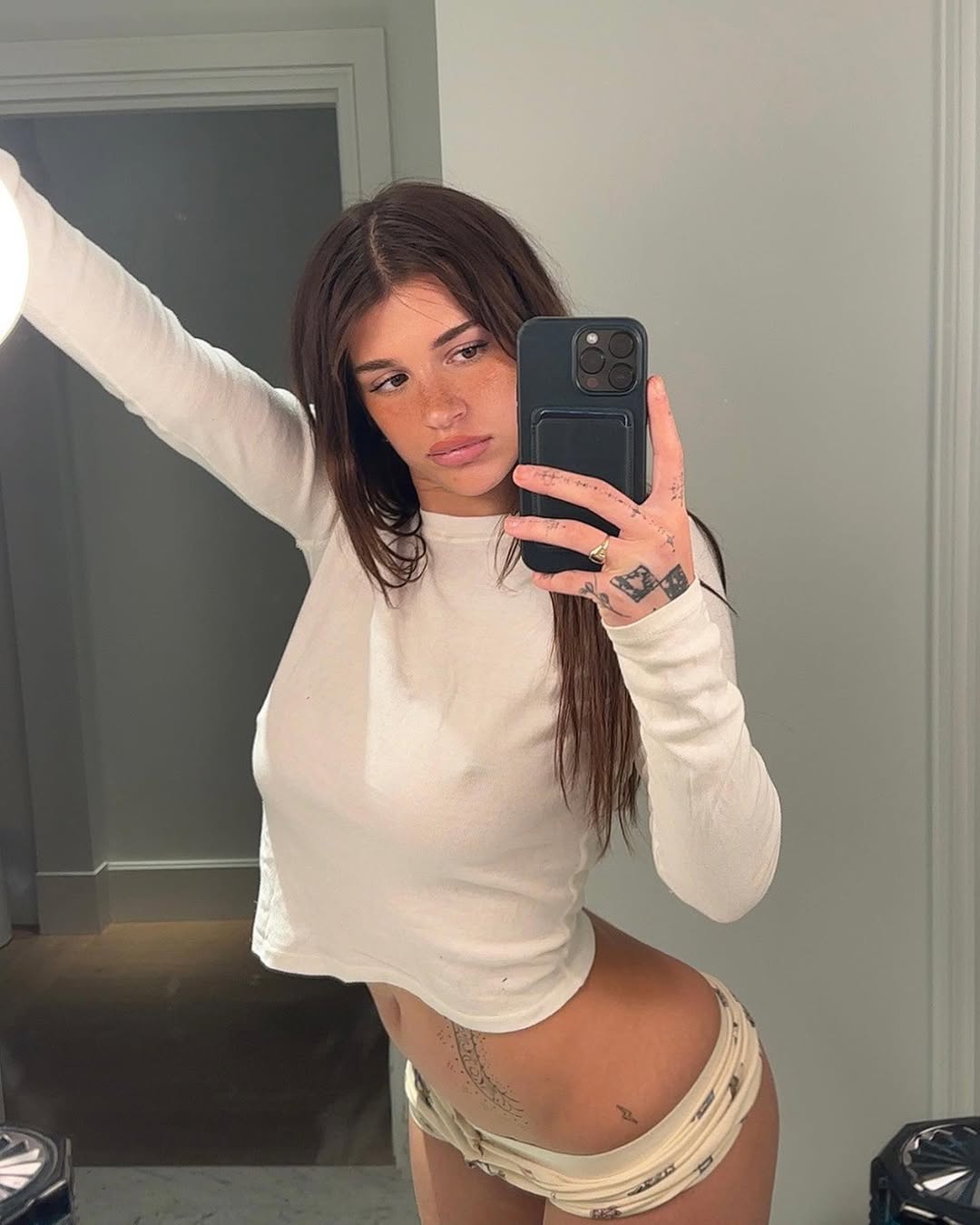
The reaction outside the lecture hall was immediate — and volatile. Once Barstool Sports highlighted the appearance, online criticism exploded. Many questioned whether an influencer with an OnlyFans presence belonged in an academic setting. Others went further, calling her invitation proof of cultural decline. One commenter wrote, “This period will be studied by historians to understand the unraveling of the West.” Another added, “Imagine paying 100k in tuition to be lectured by an OnlyFans model.”

Some critics framed Kytsya’s career as incompatible with higher education. Harsh comments labeled her work as harmful to youth and society, with one user claiming, “This is an online prostitute whose work fuels porn sickness.” The rhetoric grew sharper as the story spread, overshadowing the actual subject of the lecture.
Yet not everyone bought into the outrage. One viewer pushed back, noting key context many ignored: “201 is a sex class. Why is this a big issue?” Supporters argued that digital labor, sexualized online economies, and influencer culture are legitimate topics for research — even if controversial.
OF model Ari Kytsya was invited to the University of Washington to speak to a Psych 201 class of 1,200 students
pic.twitter.com/mrFcylfIFs— FearBuck (@FearedBuck) November 18, 2025
Inside the room, the atmosphere was markedly different. Students described the session as calm, curious, and unexpectedly thoughtful. “It didn’t feel like a spectacle,” one attendee said. “It felt like a class trying to understand what’s happening with sex and social media.”
Kytsya’s talk, titled “Surviving Digital Economies, Performing an Online Persona, Psychological Implications for Sexualized Public Spaces,” focused on the pressures and dynamics behind maintaining an internet identity. Students listened as she unpacked the realities of digital visibility, personal agency, and the economics behind sexualized platforms.
Dr. Nicole has a long-standing practice of inviting diverse guest speakers — therapists, educators, and cultural workers — to broaden her students’ understanding of how sexuality intersects with contemporary life. Kytsya’s visit fit that pattern, even if the internet treated it like an ideological lightning strike.
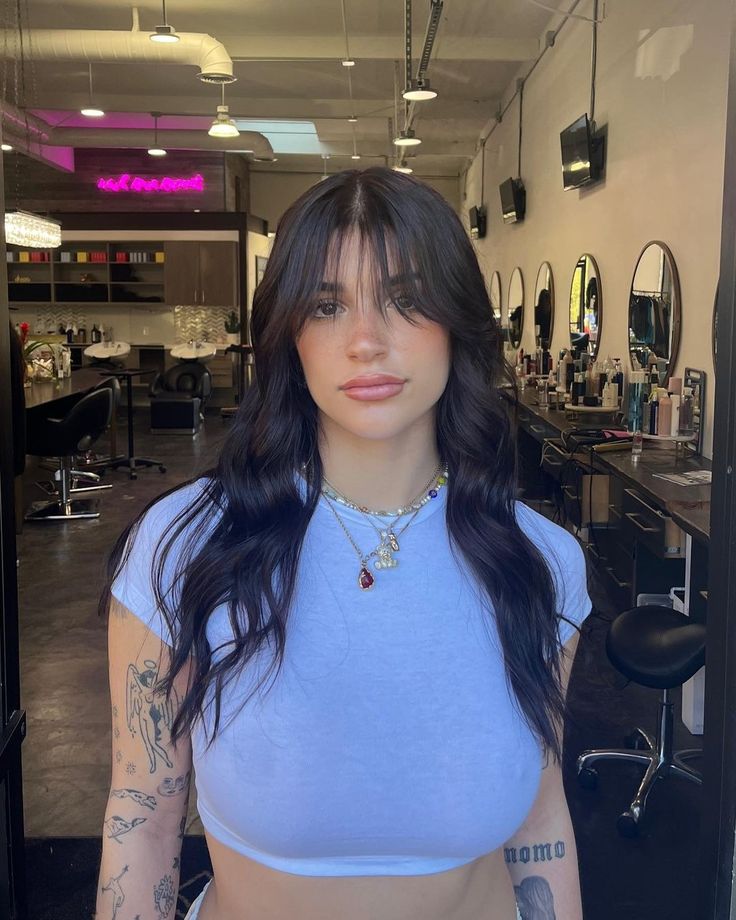
The clash surrounding her appearance reveals a deeper fracture. For some, sex work and influencer culture symbolize moral erosion. For others, they represent evolving digital labor worthy of academic scrutiny. Kytsya’s lecture didn’t just fill a classroom — it exposed the widening fault line over how society views sex, media, and the legitimacy of new forms of work.